
Embedded Testing
In this article, we will discuss the importance of embedded testing in the development process and how it helps to validate and verify the functionality of embedded systems. We will also explore the different phases of the testing process, including the initial verification phase and production testing phase. Additionally, we will discuss the benefits of having an in-house production test system and the importance of maintaining and supporting the test equipment for the long-term.
What is embedded testing?
Embedded Testing
The Testing Process
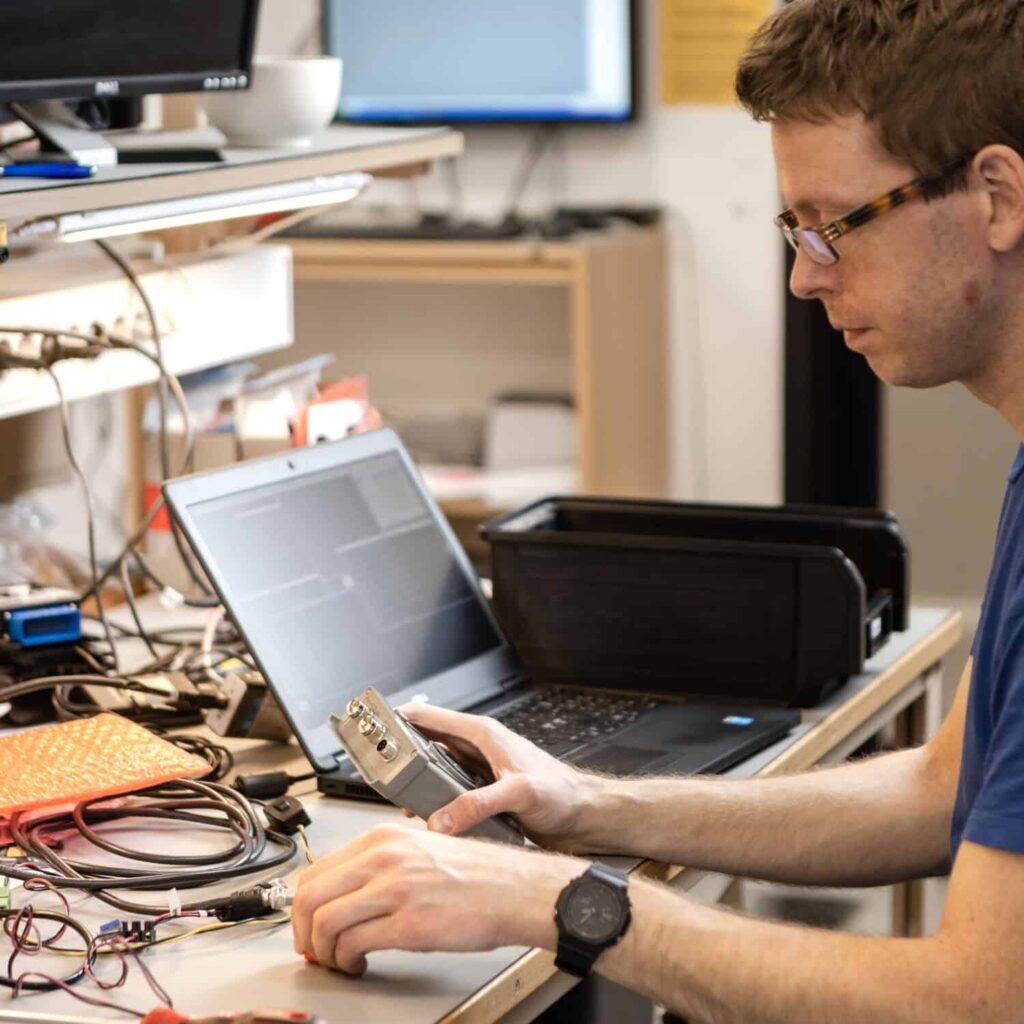
In the development phase, the initial step is verification to ensure that the products delivered meet the customer’s expectations. Extensive testing and trials are performed on the first prototypes, and placements and soldering of components are inspected while voltages are measured to ensure that limits are not exceeded. Finally, the operating system is run to verify all interfaces, and the prototype is connected to the intended environment to check for success. If the verification is successful, the prototype is produced according to the specifications and functions as planned in the application.
One essential part of any test procedure, included embedded products, is testing during manufacturing. This process is generally referred to as production testing, or functional testing. In product testing, the design goes through a subset of the complete set of tests for validation or verification. The purpose of the production testing is to assure that a manufactured product is working according to this subset of tests.
It is important to remember that when a unique unit passes the production testing, it will assure that that unique unit is working as required. And when a unit passes validation and verification, it is assured that the unit’s design works properly. Two different, but equally important indicators of function and quality, and one cannot be substituted for the other.
Verification and validation
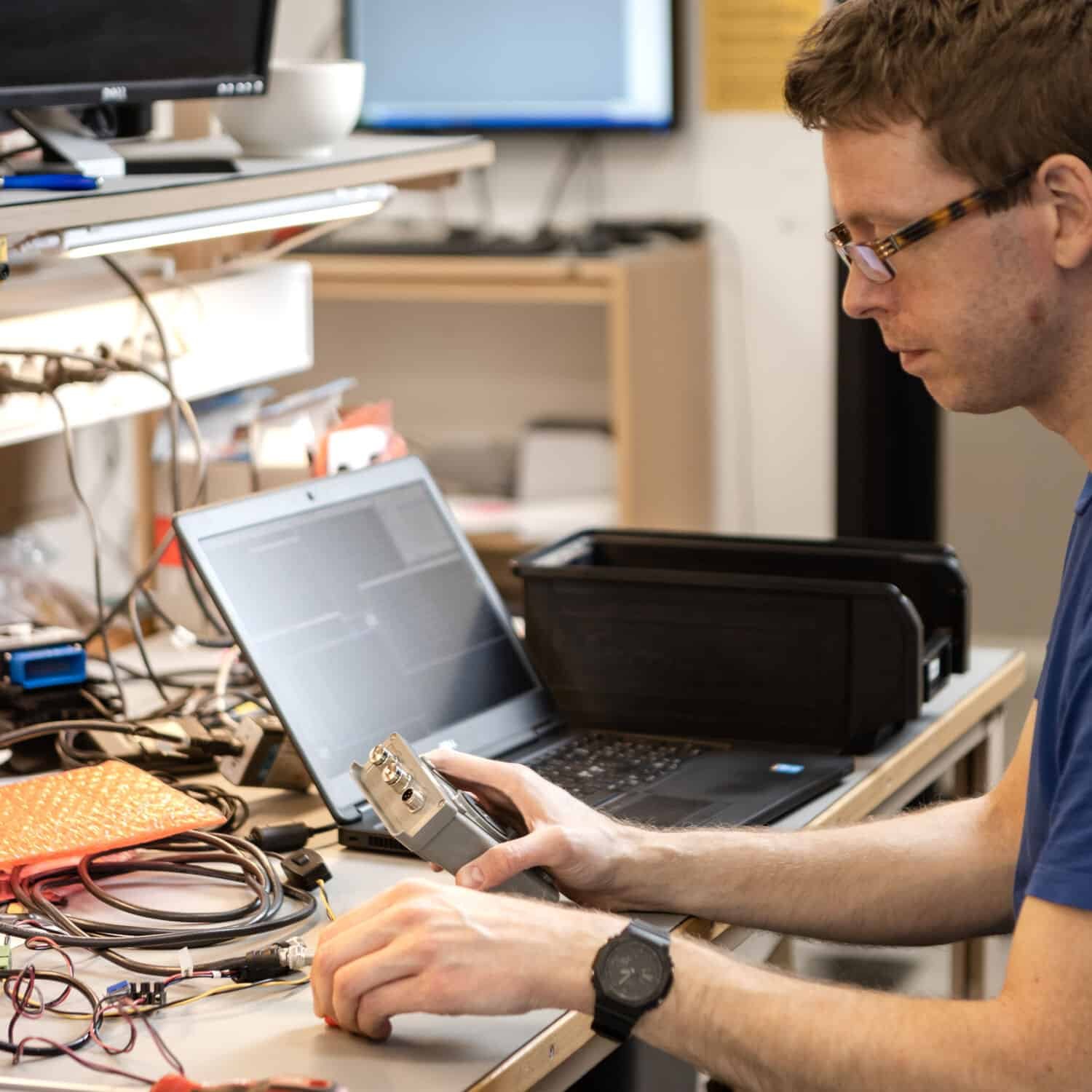
In the context of embedded testing, verifying the assembly of a unit refers to checking that the individual components of the unit have been correctly assembled and that the unit has been manufactured to the required specifications. This process is typically carried out during the manufacturing phase and is often referred to as production testing or functional testing. The goal of this testing is to ensure that each unit is working properly and meets the specific subset of tests for which it was designed.
On the other hand, validating a single unit involves checking that the unit meets the functional and non-functional requirements of the overall system. This testing is typically carried out during the development phase and is aimed at ensuring that the unit functions correctly within the broader context of the embedded system. Validation testing ensures that the system as a whole meets the customer’s expectations and functions as intended in the intended environment.
Both verifying the assembly of a unit and validating a single unit are important steps in the embedded testing process. Verification testing ensures that each unit is manufactured correctly, while validation testing ensures that the entire system meets the customer’s requirements. Both types of testing are essential to ensure that the final product is free of defects and operates effectively in the intended application.
Test system code
HecFCT 2 - the next generation
Hectronics test system software suite has always been designed to perform functional and reliable tests of the end customers product. To ensure that we continue to perform the same quality tests, we decided to update our test system code. The project was recently finished the project and updated the code to the next generation software, now called HecFCT2. While our old test system code has been a loyal companion since 2005 and been through a lot of maintenance and modifications, it was time to develop a new system that is designed in a modular way with an updated user interface. The goal has been to develop a production test system that has a much more modular design while keeping the functionality of the old production test system software.
To summon up, Hectronic has developed its own in-house general production testing software for more than two decades. Some installations that were installed 15 years ago are still up and running and in use today. It is essential that the production test equipment is regarded as a longtime commitment in regards to manufacturing embedded systems, they need to be maintained and supported for a long time after the installation. Any production test system needs to be able to live at least as long as the product they were designed to test. Otherwise, there will, sooner of later, be production issues.

Contact Hectronic
Questions about our production test system?
Do you want to know more about how we work with embedded testing at Hectronic, or have any questions about our process? Contact us and we’ll answer all your questions.