– A collaboration between Hectronic and Cursor Controls
At Hectronic, we recently had the opportunity to partner with Cursor Controls, a sister company, on a project that drew on our expertise in embedded computing. In this collaboration, we focused on developing a custom technical solution to meet the project’s unique demands.
Meeting a specialized need – challenge accepted
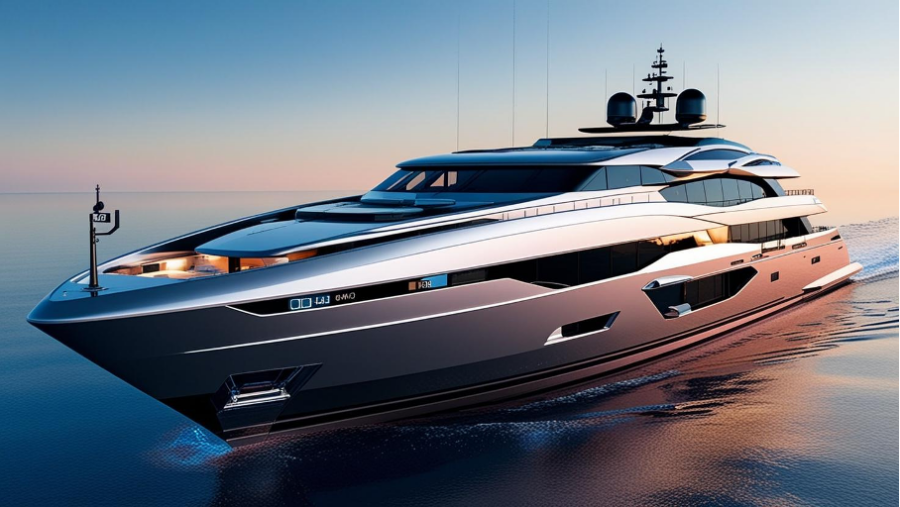
Cursor Controls approached us with a request for an embedded control module designed for marine environment – luxury yachts. While they had a clear understanding of their customer’s requirements, they needed specialized development expertise to bring the product to life – which is where we stepped in.
By working closely with Cursor Controls, we identified the best approach and decided to base the solution on the existing Texas Instrument Sitara™ platform. This choice was driven by its cost efficiency, reliability, and the fact that it met all the technical requirements for the marine application.
“We worked closely with Cursor Controls to develop a tailored solution. Together, we created an embedded computer system that met the customer’s requirements through a combination of hardware and software components, designed for the demanding marine environment of private yachts.”
– Andreas Renberg, Development Manager at Hectronic
Delivering the solution
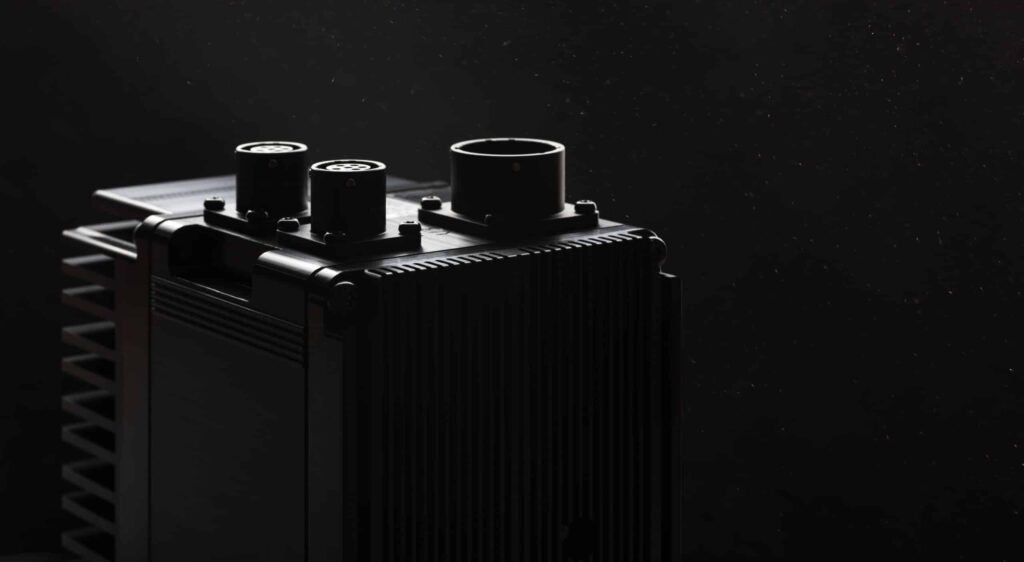
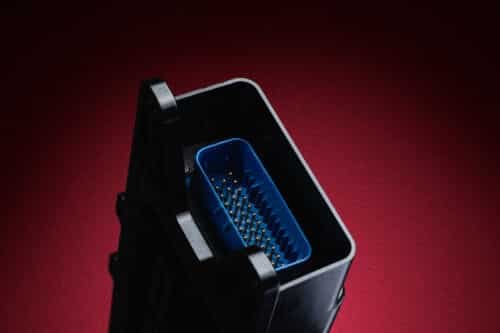
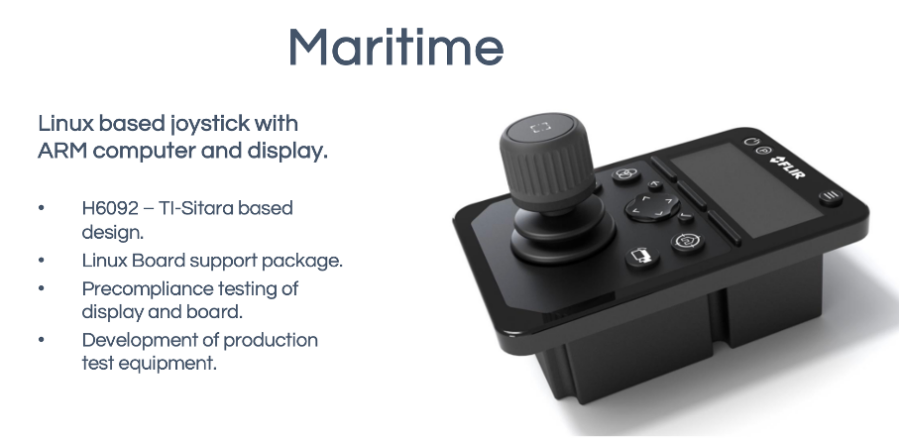
Our role in the project was to design and develop an embedded computer system that would control a thermal camera used for low-light navigation. At the heart of the system is an advanced embedded computing board, developed by Hectronic, responsible for processing and managing the interface with the joystick, buttons, and display.
This combination of hardware and software resulted in a solution robust enough to operate in demanding marine environments.
Enhancing safety and usability
The joystick controller, featuring our embedded computing system, allows users to navigate safely even in darkness. The thermal camera controlled by the system helps detect vessels, floating objects, or debris – providing crucial assistance during night-time voyages.
A distinctive aspect of the solution is that the joystick includes a built-in screen, offering real-time visual feedback to the user.
To ensure reliability at sea, the system is designed to endure harsh conditions, operating within a temperature range of -20°C to 70°C and handling humidity up to 95%.
From concept to production
Developing this type of solution typically takes 9 to 12 months from concept to serial production. Below is an overview of the process:
- Requirement analysis and specification – up to 4 weeks
- Board design and development – 6 to 10 weeks
- Prototype layout and documentation
- Prototype ordering – around 14 weeks into the project
- Prototype delivery – 10 to 12 weeks after ordering
- Verification and testing – 10 to 14 weeks
- Volume production – 8 to 20 weeks
Rigorous testing for reliable results
To ensure the final product met all specifications, our team conducted comprehensive testing and validation. This included testing all inputs and outputs, verifying application functionality, and performing EMC and marine-standard tests for shock and temperature resistance.
Our structured testing procedures are a cornerstone of our process, allowing us to confidently deliver high-quality products with minimal issues. With over 20 years of experience in electronics testing, we’re able to detect potential faults early, providing peace of mind to our clients.
Supporting the final stages
Before scaling up production, the end customer must finalize their software. Once this is complete, we can deliver orders within 16 weeks. For new projects, functional prototypes are typically available within six months, allowing customers to begin testing and integrating the product into their systems.
If you’re interested in learning more about our embedded solutions for marine environments or exploring potential collaborations, feel free to reach out. We’re always open to discussing innovative projects and how we can contribute our expertise.