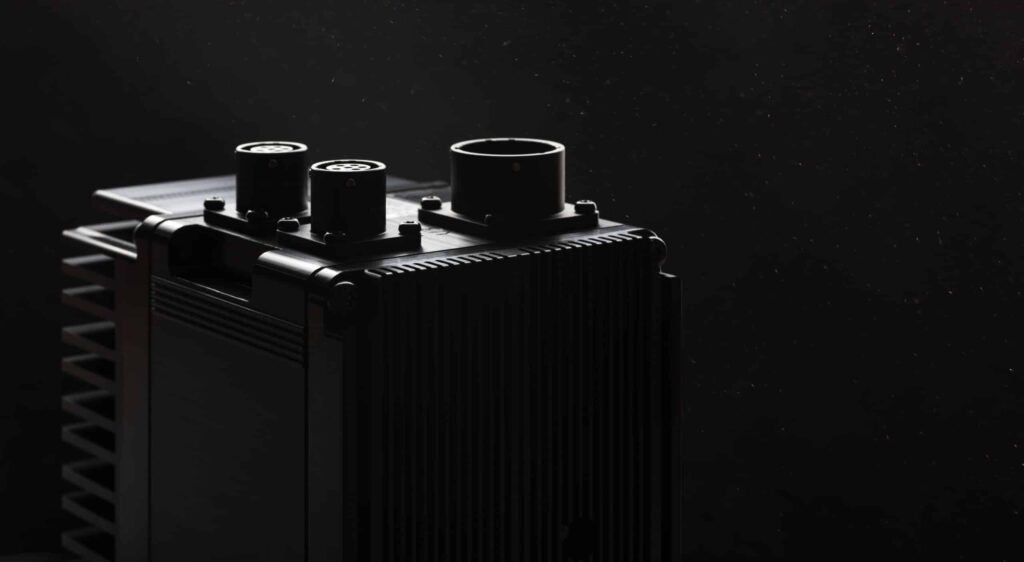
Hectronic has completed the final integration of a military boxed computer system for a customer in the defence technology sector. The project involved replacing an outdated analogue system with a modern digital solution. In this project update you can read more about how Hectronic designed and developed a rugged and reliable military boxed computer that allowed the customer to implement AR technology to enhance their operations and improve their ability to make informed decisions.
Miltary computer
Product update
Hectronic was requested to do a redesign of an outdated analogue computer system to a new digital solution, for a company specializing in military grade technology. The solution was required to, besides handling both analogue and digital video inputs, have a fanless design and consume less than 10W of power.
Furthermore, the customer wanted to implement augmented reality (AR) technology that would allow them to overlay digital data onto their digital video stream in real-time. The new computer system had to be designed to handle these demands while maintaining the same form, fit and function as the old system.
Specification
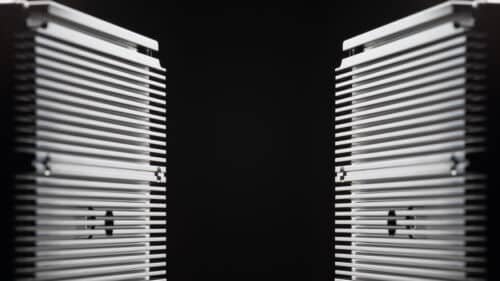
To meet these specifications, Hectronic designed a fanless system based on our building blocks, using an Intel Atom Apollo Lake CPU, with Ethernet and CAN FD connectivity. Using building blocks is not only a cost-effective development method and reduces time to market, but it also gives the final solution a higher level of safety when using already tested and verified components, minimizing the risks of failure when the system is launched.
But the system was also designed to meet several other stringent directives, including EMC, ROHS 2, REACH, CE, UKCA, and WEEE, and to comply with several standards, including MIL-810H, MIL-STD-461G, and ECER10 rev 6. Additionally, the system had to handle vibration, temperature, and humidity, and have an IP67 rating.
Rugged design
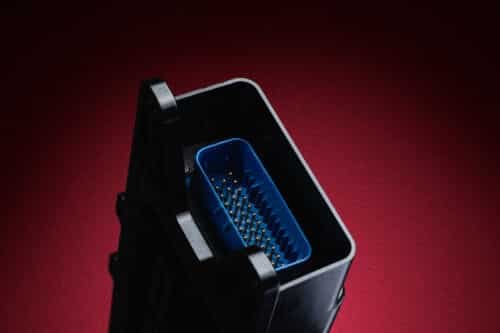
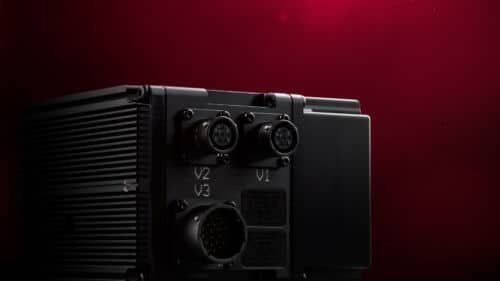
Hectronic used MIL-STD connectors and designed the system to operate in temperatures ranging from -25 to 70C. The result was a rugged, reliable, and highly efficient computer system that met all the client’s specifications and requirements. Hectronics Product Lifecycle Management ensures that she solution will have a long lifespan and operate smoothly regardless of the eventuality of vital components going end of life.
The new military boxed computer allows the customer to implement AR technology, enhancing their ability to gather data and make informed decisions. The system’s rugged design allowed it to operate in harsh environments without failure, ensuring that the client’s operations would continue uninterrupted for many years to come.
Technical specification:
- Rugged video computer
- Intel Atom, Apollo Lake CPU
- Analog or Digital video
- Ethernet, CAN FD
- Directives: EMC, ROHS 2, REACH, CE, UKCA, WEEE
- Standards: MIL-STD-810H, MIL-STD-461G, ECER10 rev.6
- Handles vibration, temp, and humidity, IP67
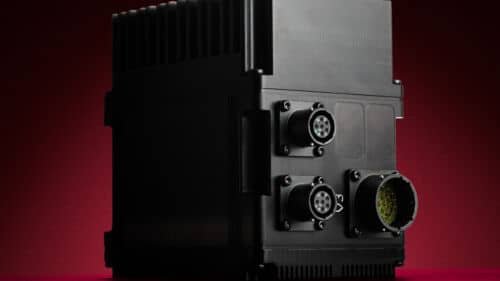
- MIL-STD connectors
Rugged computer platform for military AR applications
Hectronic designed and developed a rugged embedded computer system for a customer operating in the defence technology sector. The project involved replacing an outdated analogue computer platform with a modern digital solution while maintaining the original mechanical form, fit and installation requirements.
The system enables the customer to implement augmented reality (AR) functionality by processing video and overlaying digital information in real time, supporting improved operational awareness and decision-making.
System requirements
The new platform was required to handle both analogue and digital video inputs while meeting strict reliability and power constraints. The design also had to remain fanless and operate below 10 W power consumption.
In addition, the solution needed to support real-time AR processing without changing the external mechanical design, allowing the customer to upgrade the system without modifying existing installations.
Engineering solution
Hectronic developed a customised embedded computer platform optimised for reliability, low power consumption and long lifecycle availability. The system was engineered to operate in demanding environments while maintaining stable performance and minimal maintenance requirements.
By preserving the original form factor and interfaces, the customer was able to transition from an analogue system to a digital architecture and implement augmented reality functionality within the existing platform.